WILLIAM KENTRIDGE
The Phillips Room – Photogravure
WAITING for the SIBYL – Artist Book
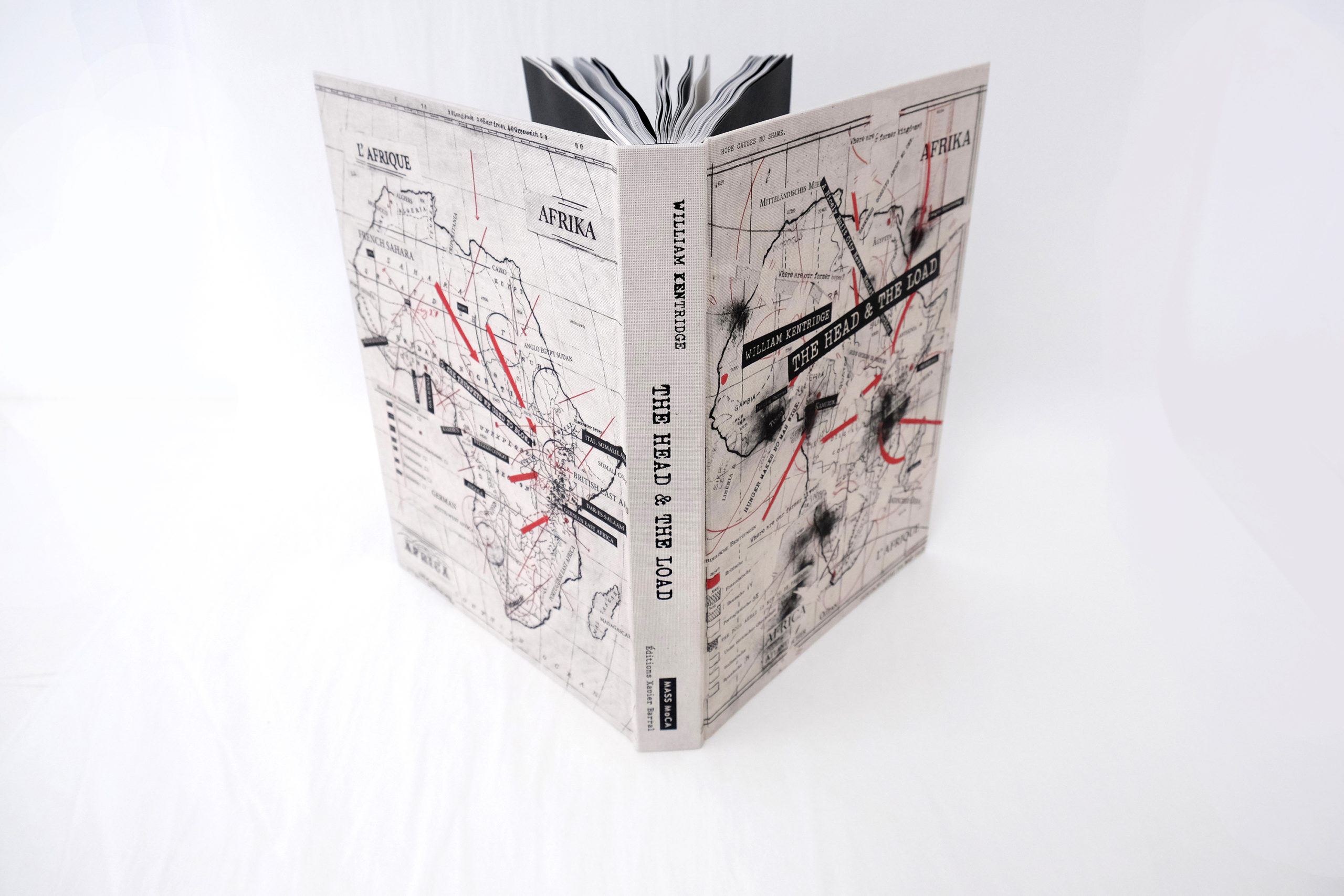
THE HEAD & THE LOAD – Opera Book
The Phillips Room
What is on the studio walls
The Covid-19 pandemic hit South Africa and the country went into lockdown in March 2020. William Kentridge was able to spend the next three months in his studio drawing without the constant demand of ongoing workshops and the usual presence of studio demands. Circumstances led to Jillian Ross the Master Printer at David Krut Workshop, leaving Johannesburg for Canada to join family there.
Kentridge’s longstanding working relationship with Ross now continues on a long distance basis with collaborative projects still ongoing in South Africa and Canada. The photogravure printmaking process, having been introduced to Kentridge by Krut in 2002, represented an ideal medium for a new project to begin with use of multiple studios.
The new series of photogravure prints began as photographs taken in Kentridge’s home studio in Johannesburg, in part as documentation, and in part as a personal reflection of the life that unfolds on the studio walls. They exist as part of Kentridge’s development of a new series of short episodic films relating to the life of the studio. The Phillips Room features a still life made up of larger-than-life paper sculptures of a water jug, coffee pot, milk jug and other assorted items in the foreground. Behind the still life scene is a charcoal drawing made for Kentridge’s 11th animated film for the ongoing Drawings for Projection series – City Deep – of the Phillips Room in the Johannesburg Art Gallery (JAG). The film focusses on the illegal and informal activities of the Zama Zamas, the artisan miners that have replaced Johannesburg’s deep-level industrial mining activities of the 1990s. In the film, the drawn interior rooms of the Johannesburg Art Gallery, through which Soho Eckstein can be found wandering, are seen ebbing and flowing and finally collapsing in on themselves.
The connection between mining and the Johannesburg Art Gallery is illuminated in the film, the gallery having been established and funded by mining magnates who made their fortunes from gold mining in South Africa. The Phillips Room, as Kentridge has explained, holds the collections of Dutch lace and oil paintings that were given to the gallery by Lady Phillips, the wife of mining baron Lionel Phillips, who warned that “unless they made some contribution to the city, their names would live in infamy.” The history of the JAG and its ongoing struggles with maintenance and repair is common knowledge with the film a sad telling of the current times in South Africa.
Kentridge’s new series of films, to which this series of photogravures is related, is made up of 12 episodes about life in the studio, the third episode already completed in mid-August. Each film in the series, aptly titled Studio Life, will be 40 minutes in length and will include aspects of drawing, of performance, of daily life – all insights into life in, and the life of, the studio.
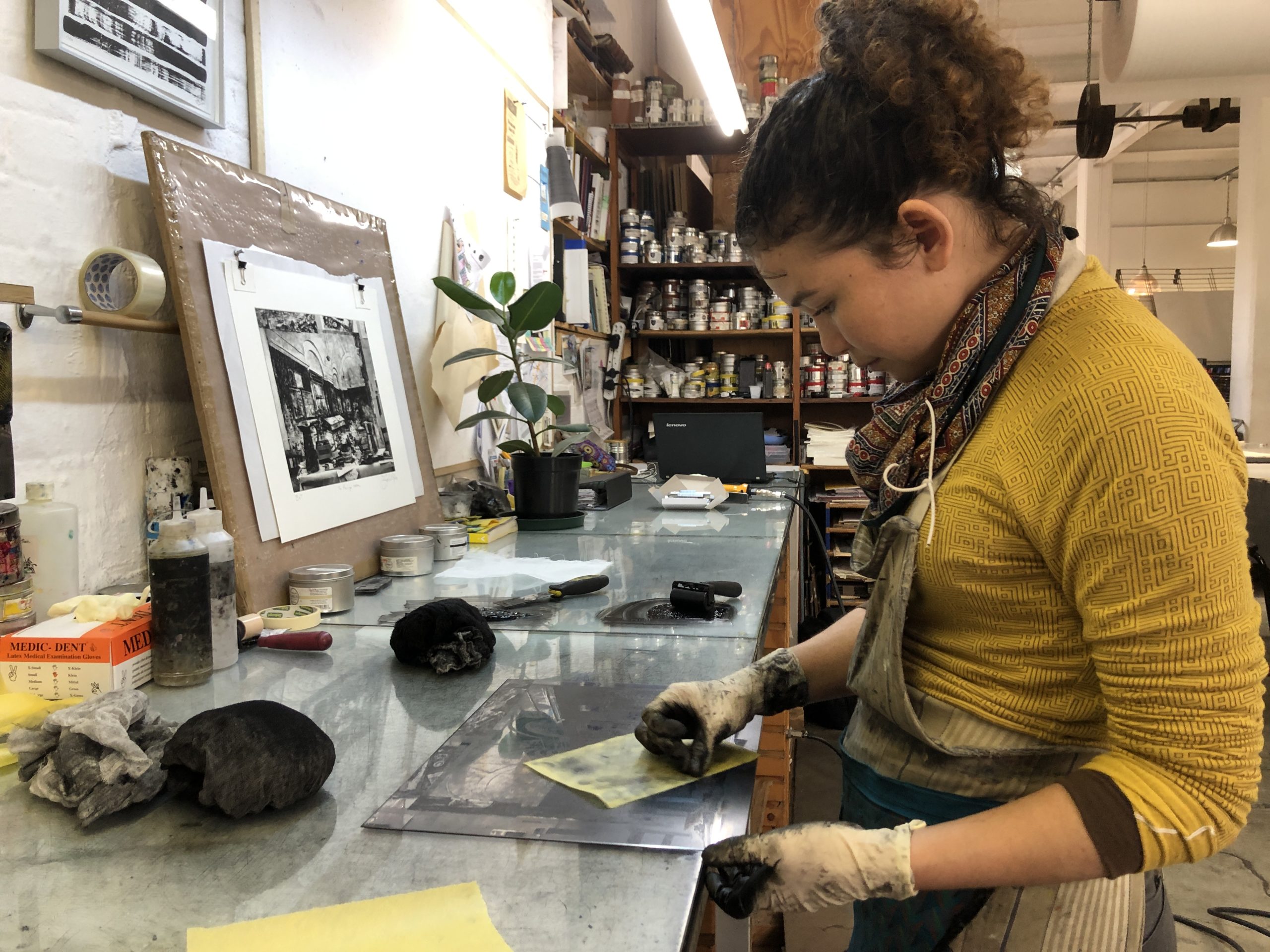
David Krut Workshop commissioned Warren Editions from Cape Town to originate a plate from an image provided by the artist. The editioning of The Phillips Room, 2020, has now been completed at the David Krut Workshop at Arts On Main in Johannesburg by Kim-Lee Loggenberg.
Jillian Ross has begun her first collaboration with Kentridge from Canada, and is working on a much larger still life photogravure image in the Studio Life series. The multiple gravure plates for the new work were created by Steven Dixon at the University of Alberta in Edmonton with Ross in attendance.
These editioned works are part of an ongoing series with further images in development.
Waiting for the Sibyl
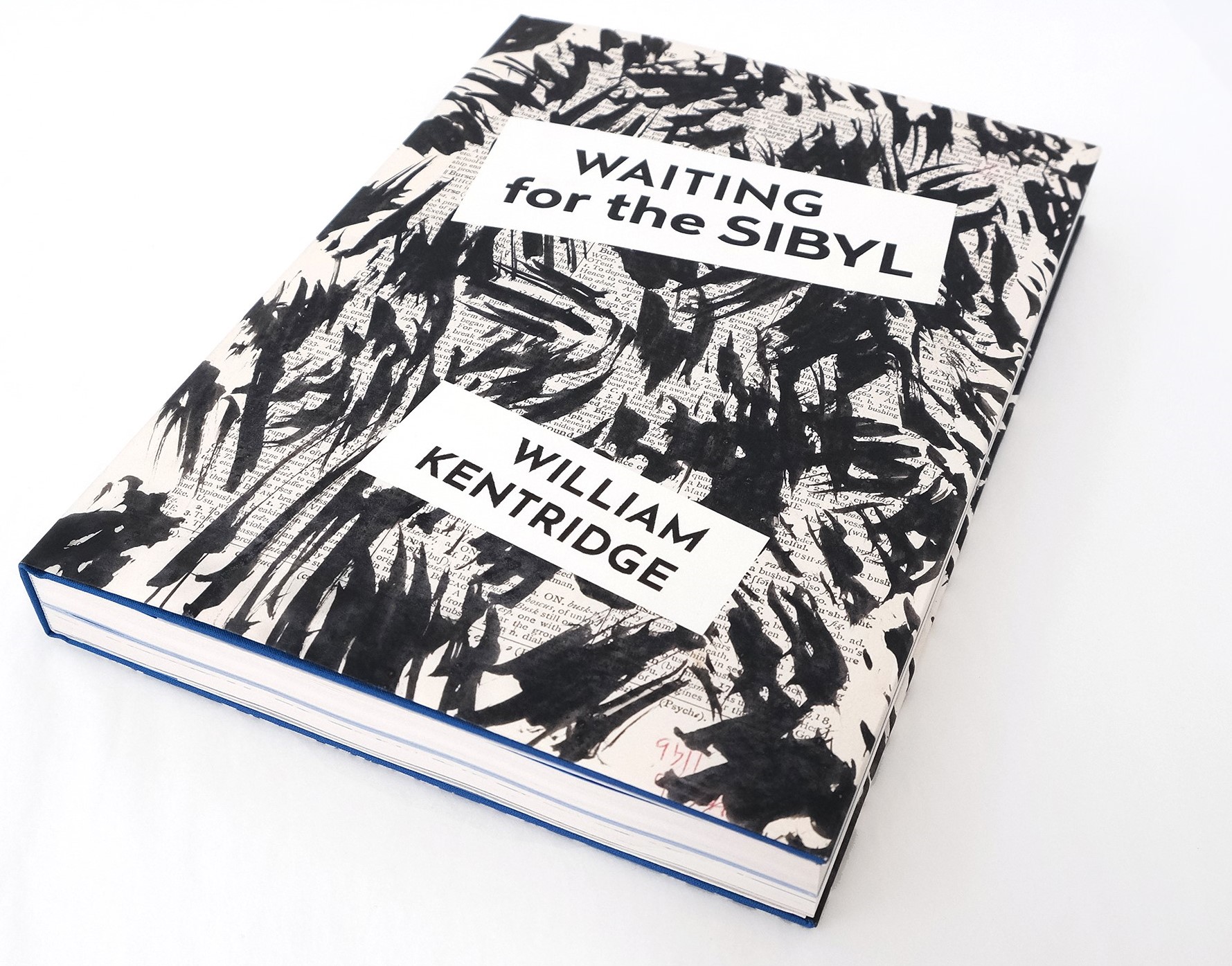
The text in this book is essentially the libretto of the chamber opera WAITING for the SIBYL, which was made for the Teatro dell’Opera di Roma and first performed there in September 2019. Music for the opera was composed by Nhlanhla Mahlangu and Kyle Shepherd.
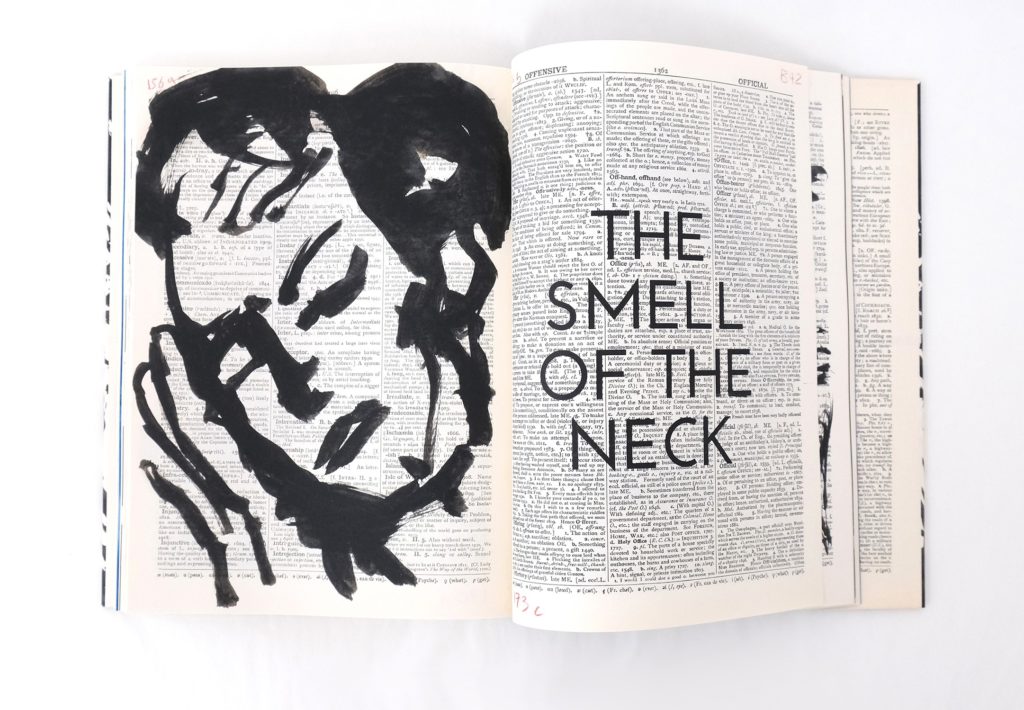
The images and phrases were projected on different size screens in the opera, sometimes in sync with the sung text, sometimes independent of any sung text. The phrases come from many sources. Lines from different poets were used: translations from Finnish, Hebrew, Spanish, Greek, Polish, Russian and German. Some lines are renderings of African proverbs. Some were written specifically for the opera. The text is therefore compiled rather than written.
In the opera production, the right-hand page generally had text, and the left-hand page had a mixture of drawings and the shadow of a dancer on stage cast onto the projection surface. In this book there are more and different drawings than are used in the opera. Some drawings of the dancer Teresa Phuti Mojela stand in for her shadow cast by a projector.
This book is compiled and published in the time of the COVID-19 pandemic, a time in which it is not possible to perform the opera live. The project is undertaken in anticipation of the time when the opera can be seen in its full form again.
WAITING for the SIBYL
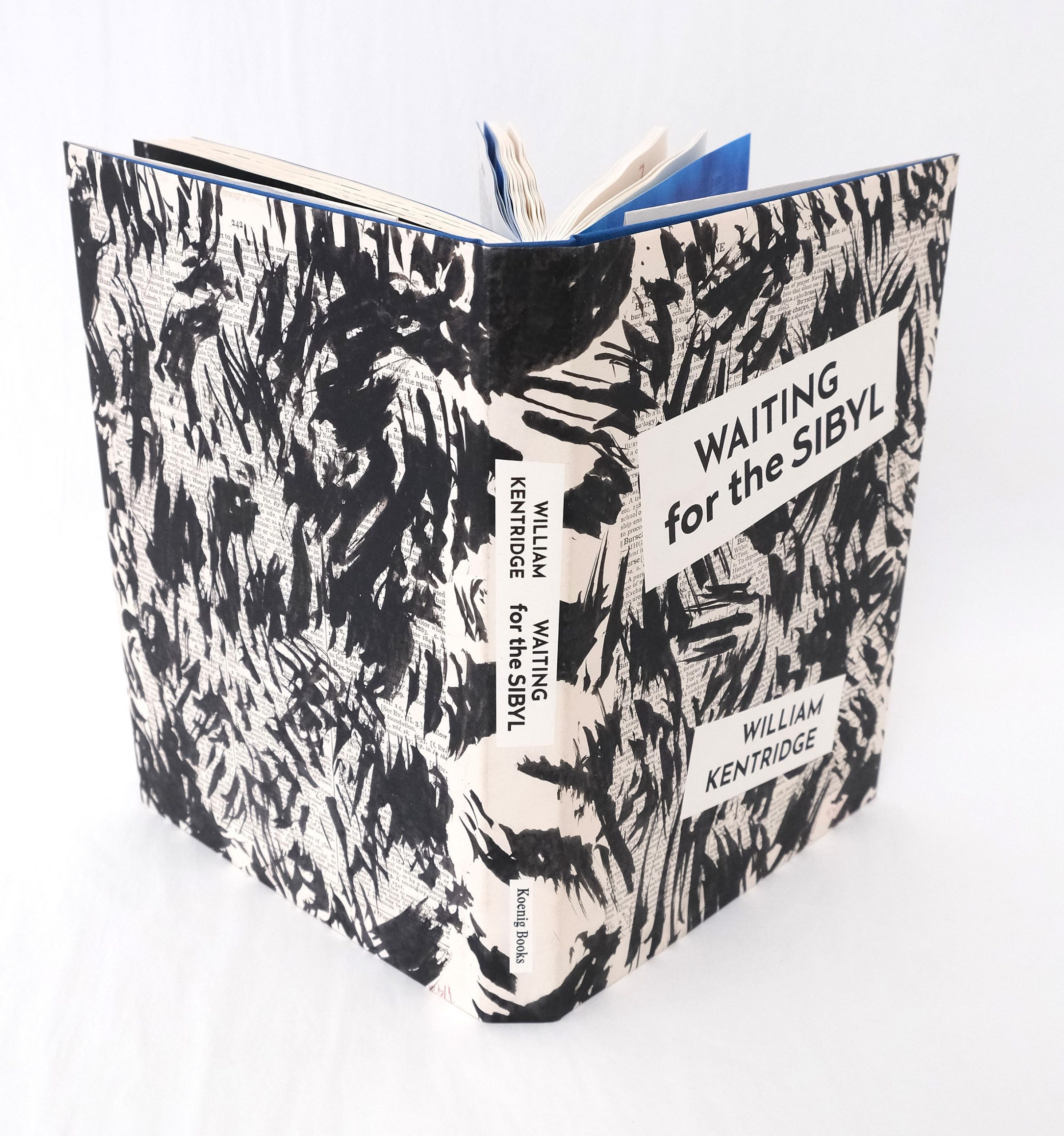
Size: 195 x 270 mm portrait, 360 pages
Hard cover bound in linen with French-fold dust jacket
ISBN 9783960988656
The Head & the Load
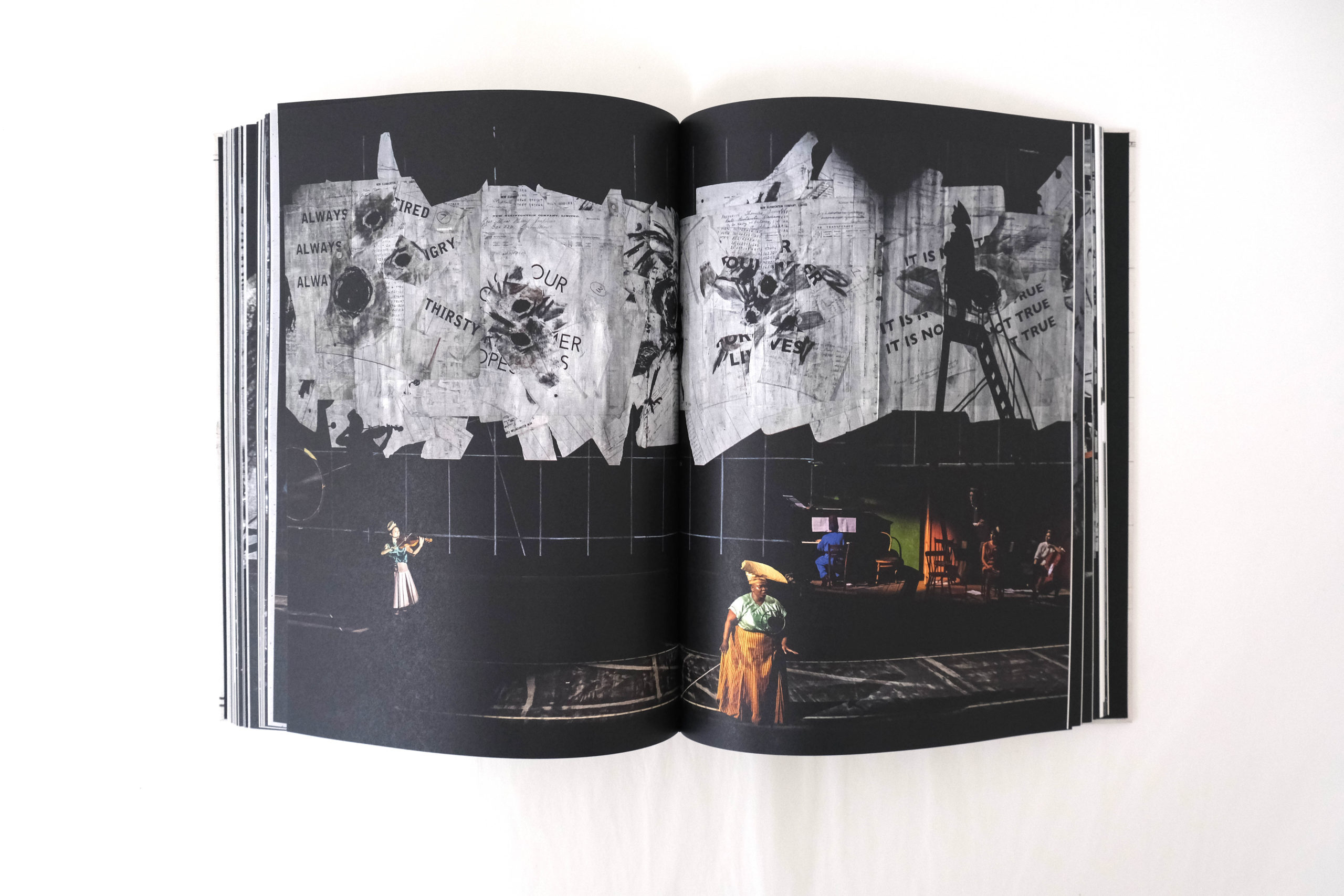
This book gives an in-depth examination of Kentridge’s performance piece THE HEAD & THE LOAD, which explores the role of Africa during World War I. Throughout the war, more than one million Africans carried provisions and military equipment in hazardous conditions for British, French, and German troops at minimal or no pay. William Kentridge tells the story of these African porters who ensured the success of the victors, but remain in the shadows. This history, rarely studied today, unfolds in a staged tableau combining music, dance, acting, screenings, and mechanized sculptures. The book includes photos and text from the performance, essays, and artworks created specifically by Kentridge to complement the play.
Size: 315 x 236 mm portrait, 348 pages
Hardcover cloth bound
ISBN 9783791387185